
Unorthodox Weapons & Defense Systems Inventor
Nir Strulovitz —
Independent system level concept development for government and industry
I build new capabilities by connecting existing technologies in new architectures—especially when standard approaches stall, budgets explode, or the threat evolves faster than procurement.
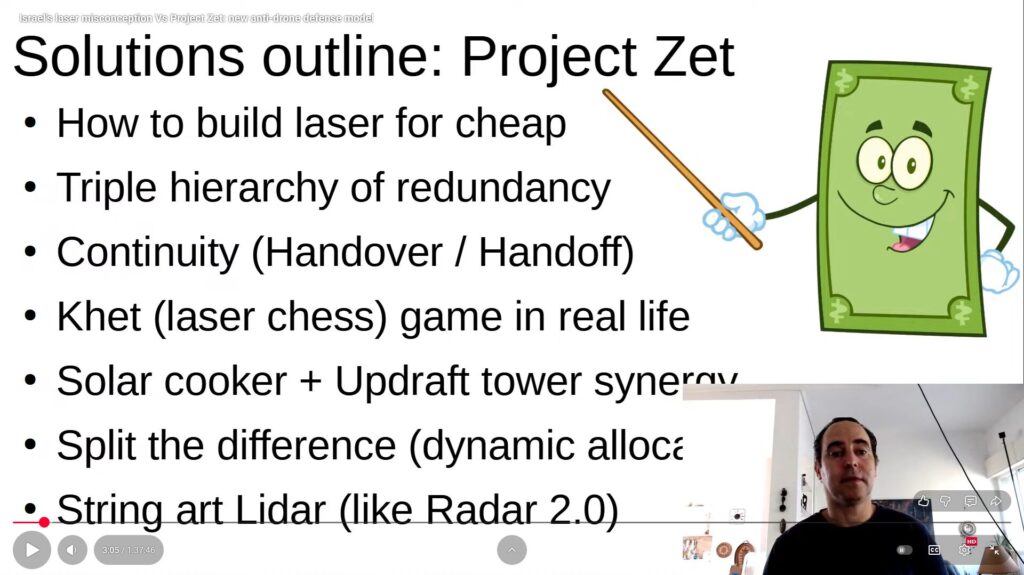
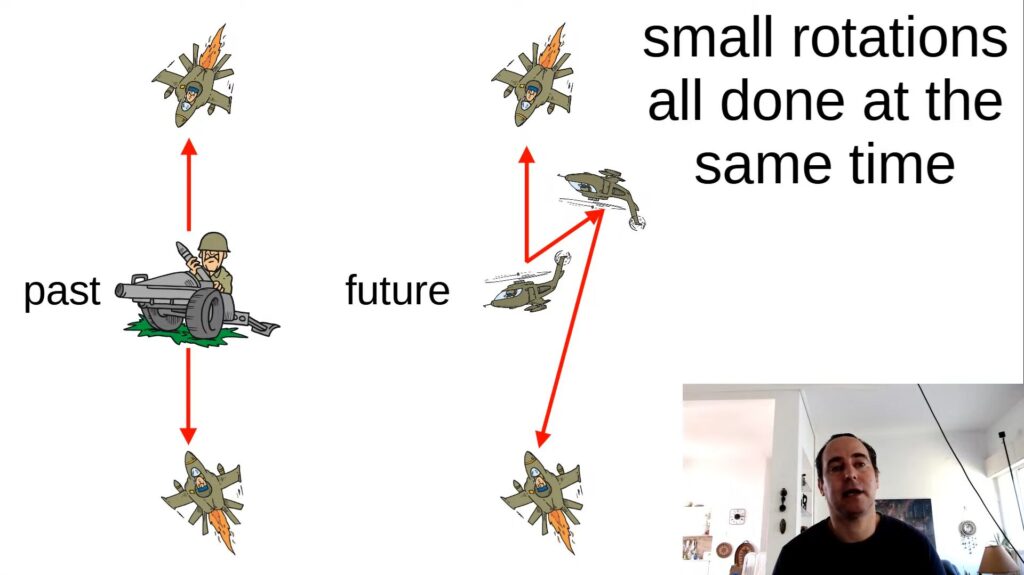
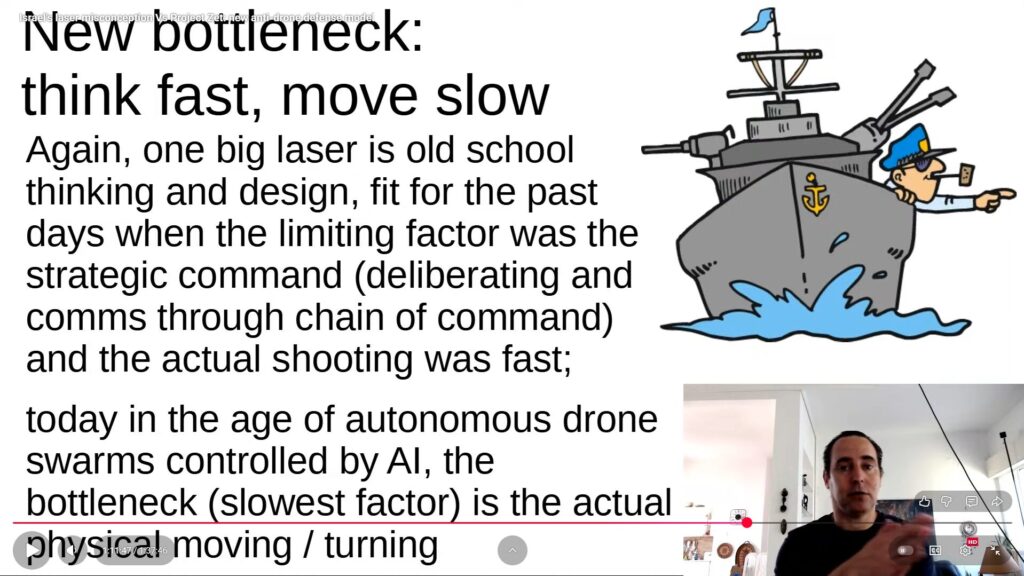
What I do
What I deliver is not a prototype. It is a system concept that your engineers can build.
My work lives at the level where outcomes change: architecture, CONOPS, trade‑offs, failure modes, and adversary adaptation.
Typical outputs
- Concept brief (problem framing, constraints, assumptions, threat model)
- System architecture (diagrams + explanation)
- CONOPS (how it’s actually used, end‑to‑end)
- Failure modes / red‑team analysis (how an enemy breaks it)
- Implementation path for your R&D / engineering teams (what to test first, what to instrument, what to validate)
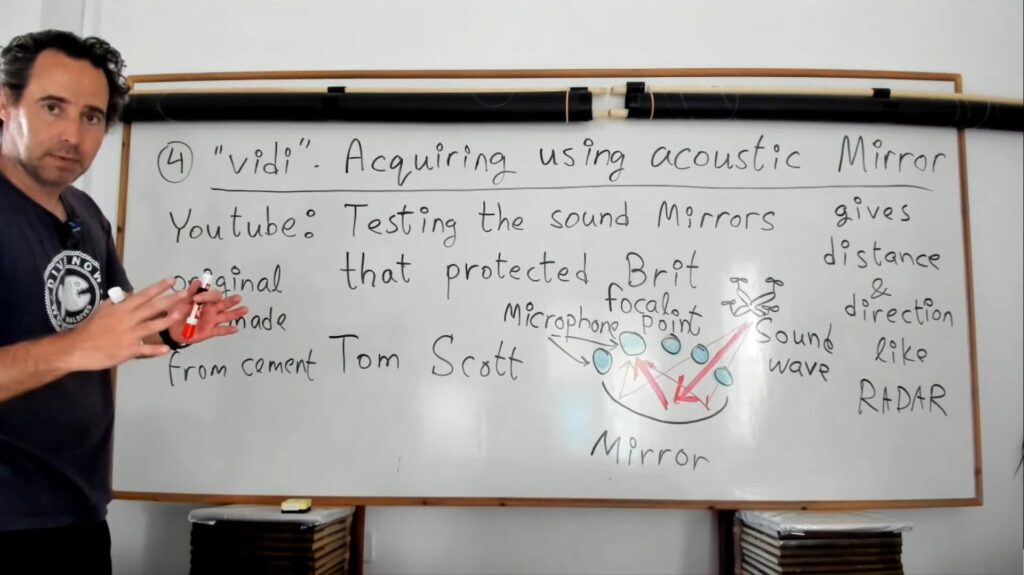
My method
My repeatable pattern is simple:
Take an old idea with a fatal drawback, and change one assumption so the drawback disappears. This is why my work often looks “obvious” after it’s explained—yet teams can stay stuck for years before someone connects the right dots.
What makes my work different is not a tool or a technology—it’s the method.
I specialize in finding the missing system connection between disciplines. Many projects fail because an “old idea” has one fatal drawback. My work is to identify the real constraint and re‑architect the system so the drawback disappears.
This is why my output is usually an architecture and a CONOPS that your engineers can build—often with faster iteration and higher survivability against an adaptive enemy.
Where I’m useful
I’m most valuable when:
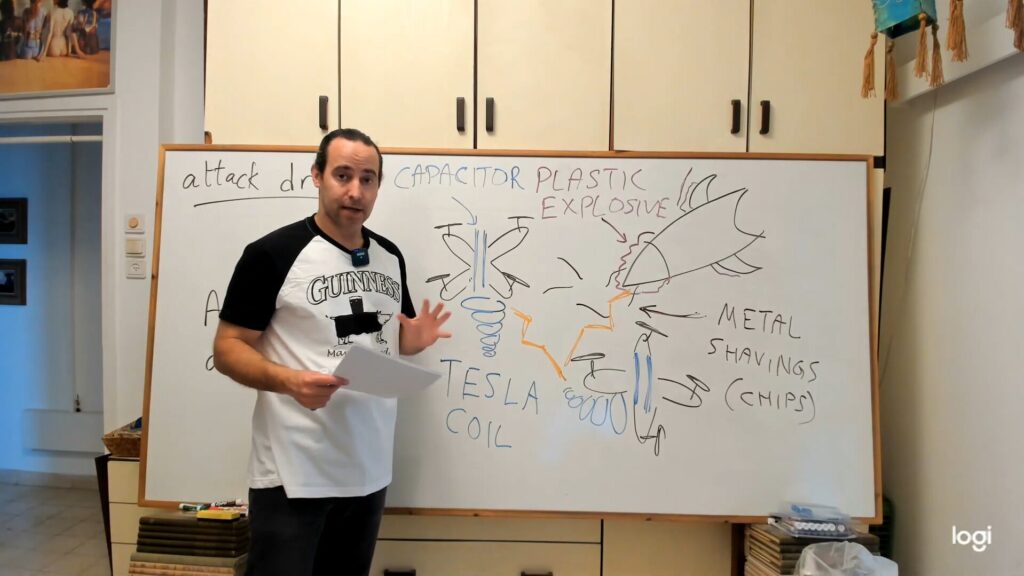
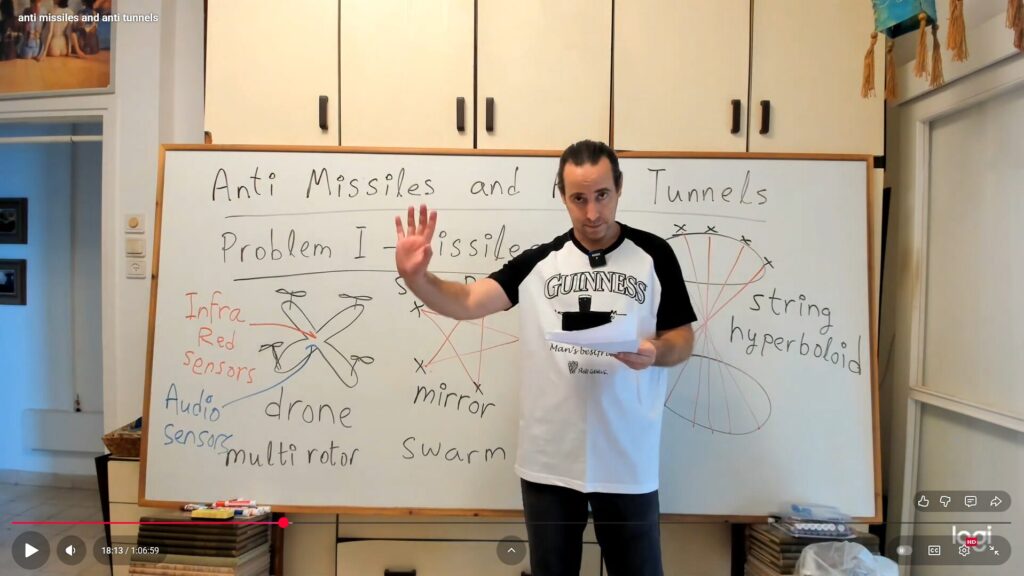
the threat is evolving (UAS / swarms / subterranean / EW / resource denial / deception)
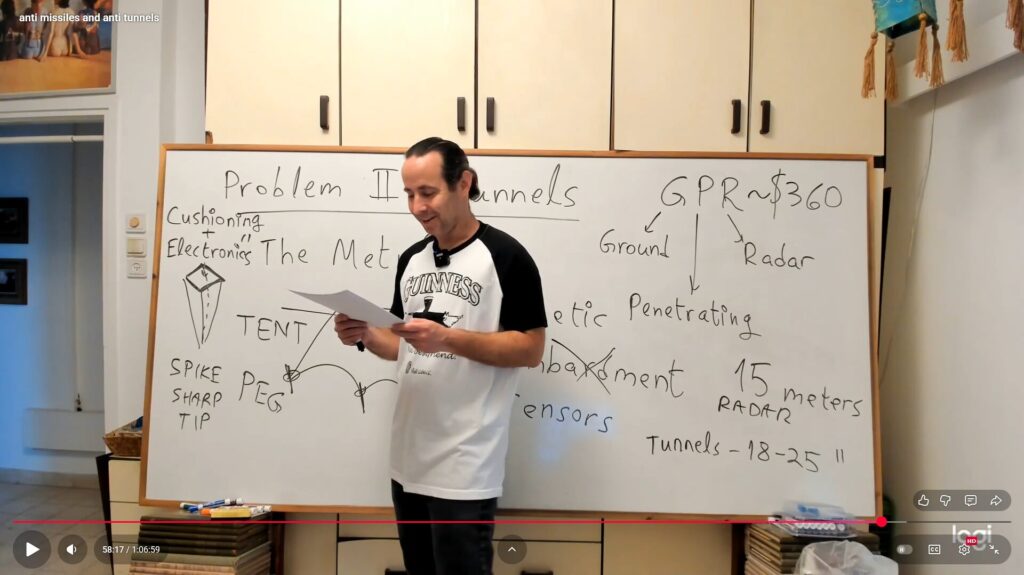
conventional doctrine creates brittle systems
you need an architecture that survives enemy creativity, not only lab demos
How engagements work
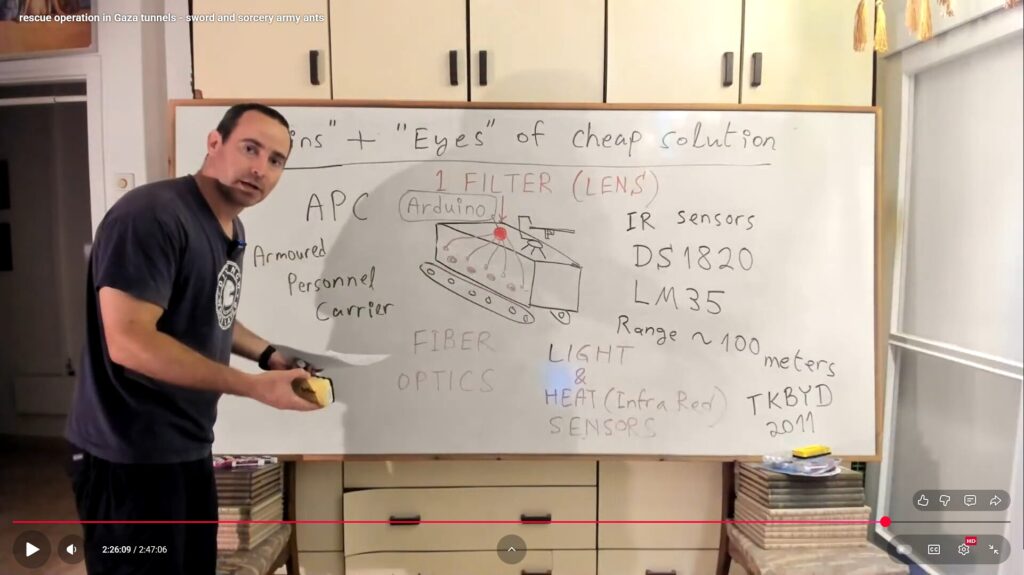
Problem intake (secure)
what you need, what you tried, what must be true
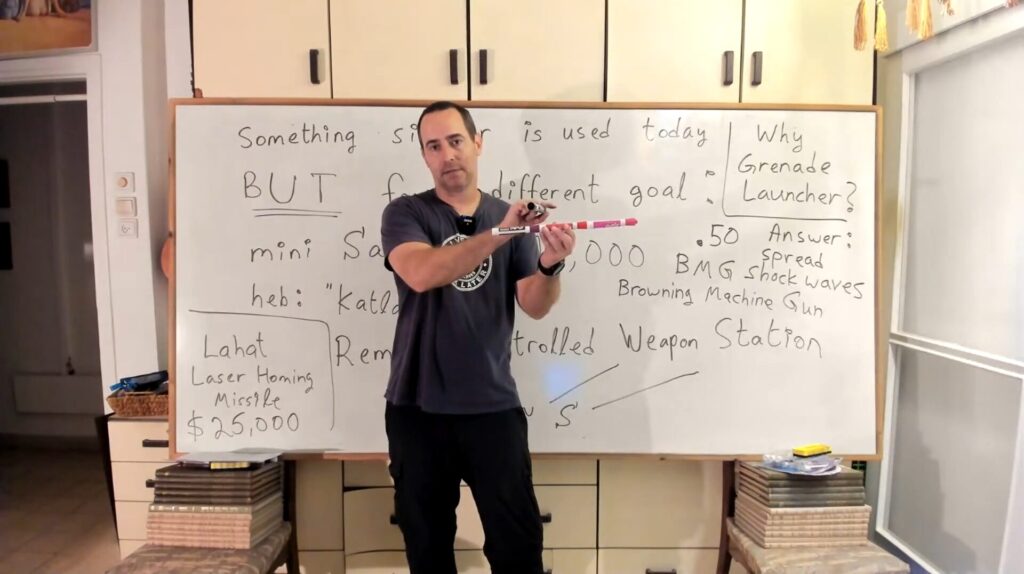
Concept sprint
multiple candidate architectures, not one
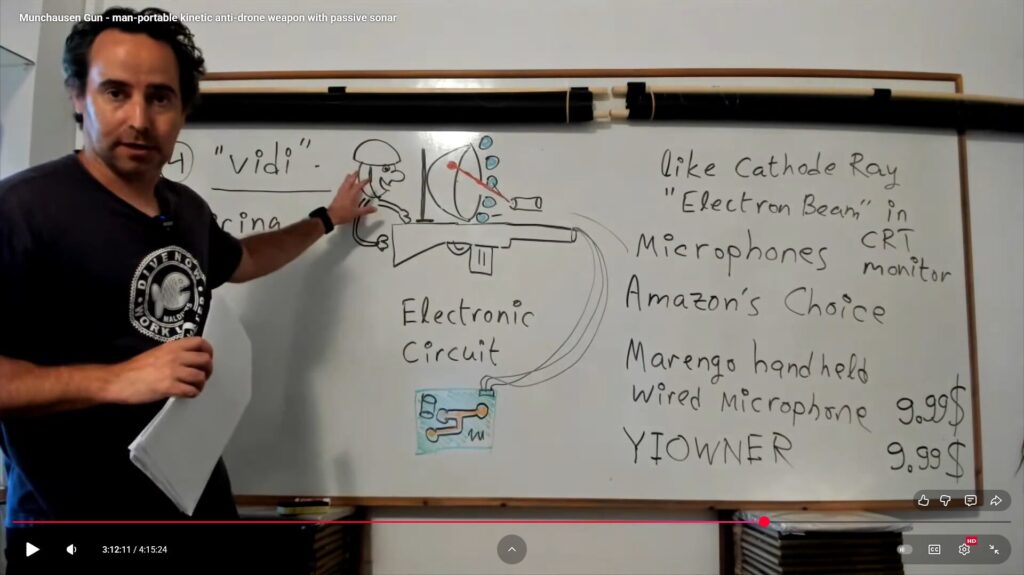
Decision package
trade‑offs and recommended path
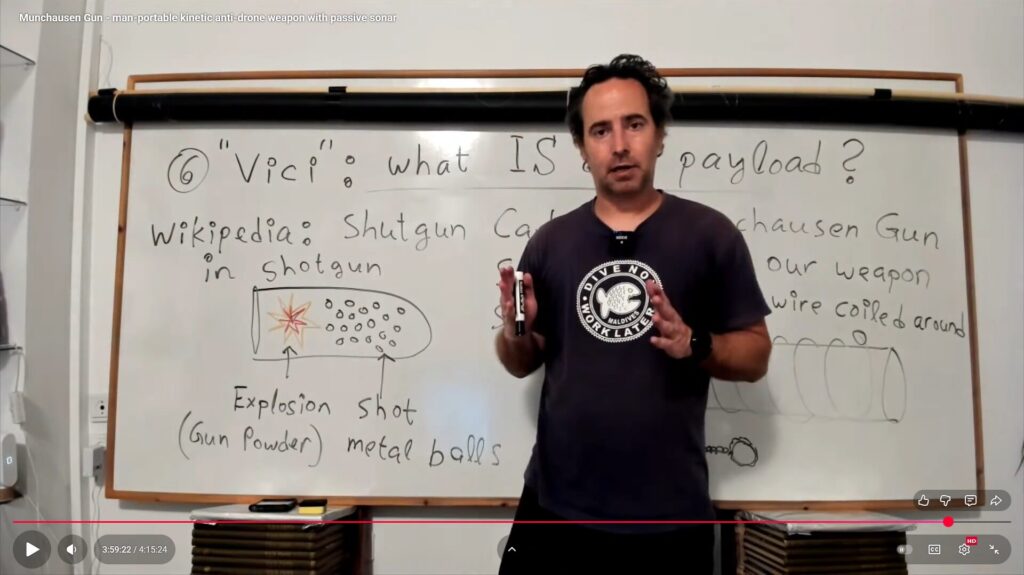
Working with your experts
refine, pressure‑test, and prepare for implementation
Call to action
If you have a problem that is “not supposed to have a solution,” contact me.